Easy Crochet Felt Fox Ornament Pattern, Free Tutorial
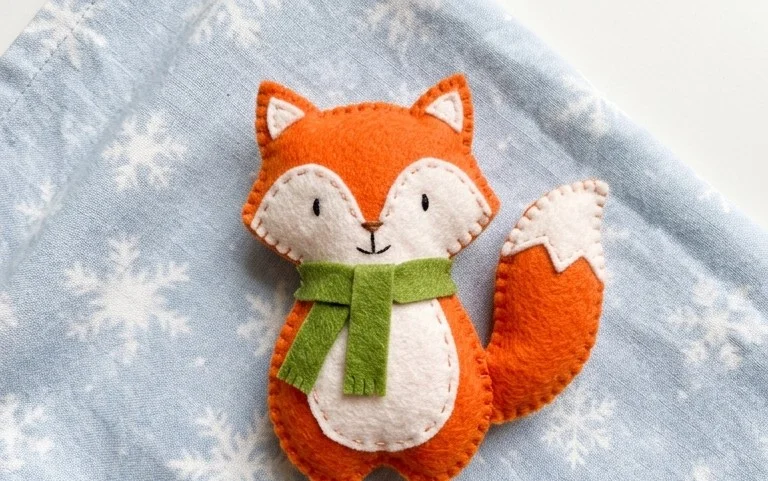
Rust-colored yarn gives this little fox ornament its warm woodland look, while a pale muzzle and dark stitched features bring the face to life. The finished piece is small and soft, with a tidy shape that hangs neatly on a tree, a wreath, or a wrapped gift. Beginners can work through the simple crochet shaping at a relaxed pace, and gift makers or home decor lovers can finish one in an evening. You’ll learn how the crochet stitches build the fox’s form and how a few felt details add contrast without making the project bulky. Each section is manageable, so it’s satisfying to watch the character appear as you work. Use it as a handmade seasonal decoration or tuck it into a small winter care package.
Why You’ll Love This Pattern
A firm cotton fabric makes this crochet dishcloth useful for wiping counters, drying dishes, or keeping beside the sink. The square is worked in single crochet, so the fabric is dense and the stitch pattern is easy to see as you go.
This is a manageable first project: it uses one hook, one stitch, and straight rows. The repeated rows also make it easy to pause and pick up again without keeping track of a complicated pattern. One ball of worsted cotton is usually enough, and leftovers can be used for a second cloth or a small test swatch.
“The rows were easy to count, and the finished cloth feels sturdy without being stiff. I made it in an evening and have already put it to work.”
The rows were easy to count, and the finished cloth feels sturdy without being stiff. I made it in an evening and have already put it to work.
— Lena, sample maker
Pattern Overview & Skill Level
- Skill Level: Beginner. You need to know how to chain and single crochet.
- Approximate Time: 2–3 hours, depending on your pace and whether you stop to check your tension.
- Construction: One flat square worked back and forth in rows, then finished by weaving in the yarn ends. There is no seam or separate edging.
- Finished Dimensions & Sizing: About 8 × 8 inches (20 × 20 cm) when the gauge is 15 single crochet stitches and 16 rows per 4 inches (10 cm). Cotton and individual tension can change the final measurements.
Materials & Supplies Needed
- Yarn: About 75–90 yards of worsted-weight cotton yarn, weight #4. Choose one color, or use a different color for each cloth. Cotton absorbs water well and holds up to regular washing.
- Hook Size: 5.0 mm / H-8 crochet hook. Use a hook that gives you a firm, flexible fabric; change hook size if your swatch is much larger or smaller than the stated gauge.
- Notions: Tapestry needle for weaving in ends, scissors, and a ruler or tape measure. A row counter or removable marker can help you keep track of your progress.
- Substitutions: A similar-weight cotton-linen blend can make a slightly textured cloth. Cotton-bamboo yarn is softer and may drape more, while acrylic is less absorbent and can feel slippery when wet. Different yarn weights or fibers may change the size, thickness, and yardage needed.
Stitch Guide & Abbreviations (US Terms)
- ch: Chain. Yarn over the hook and pull through the loop on the hook.
- sc: Single crochet. Insert the hook into the indicated stitch, yarn over and pull up a loop, then yarn over and pull through both loops on the hook.
- st: Stitch.
- rep: Repeat.
- FO: Fasten off by cutting the yarn and pulling the cut end through the loop on the hook.
The turning chain does not count as a stitch in this pattern. Work the first single crochet of each new row into the first stitch, not into the turning chain. This keeps each row at 30 stitches and helps the sides stay straight.
Step-by-Step Pattern Instructions
Use the stated hook and cotton yarn. The dishcloth is worked flat, turning at the end of each row. The stitch count at the end of every row is 30 stitches.
Dishcloth
- Row 1: Ch 31. Starting in the second ch from the hook, sc in each ch across. Turn. (30 sts)
- Row 2: Ch 1, sc in each st across. Turn. (30 sts)
- Row 3: Ch 1, sc in each st across. Turn. (30 sts)
- Row 4: Ch 1, sc in each st across. Turn. (30 sts)
- Row 5: Ch 1, sc in each st across. Turn. (30 sts)
- Row 6: Ch 1, sc in each st across. Turn. (30 sts)
- Row 7: Ch 1, sc in each st across. Turn. (30 sts)
- Row 8: Ch 1, sc in each st across. Turn. (30 sts)
- Row 9: Ch 1, sc in each st across. Turn. (30 sts)
- Row 10: Ch 1, sc in each st across. Turn. (30 sts)
- Row 11: Ch 1, sc in each st across. Turn. (30 sts)
- Row 12: Ch 1, sc in each st across. Turn. (30 sts)
- Row 13: Ch 1, sc in each st across. Turn. (30 sts)
- Row 14: Ch 1, sc in each st across. Turn. (30 sts)
- Row 15: Ch 1, sc in each st across. Turn. (30 sts)
- Row 16: Ch 1, sc in each st across. Turn. (30 sts)
- Row 17: Ch 1, sc in each st across. Turn. (30 sts)
- Row 18: Ch 1, sc in each st across. Turn. (30 sts)
- Row 19: Ch 1, sc in each st across. Turn. (30 sts)
- Row 20: Ch 1, sc in each st across. Turn. (30 sts)
- Row 21: Ch 1, sc in each st across. Turn. (30 sts)
- Row 22: Ch 1, sc in each st across. Turn. (30 sts)
- Row 23: Ch 1, sc in each st across. Turn. (30 sts)
- Row 24: Ch 1, sc in each st across. Turn. (30 sts)
- Row 25: Ch 1, sc in each st across. Turn. (30 sts)
- Row 26: Ch 1, sc in each st across. Turn. (30 sts)
- Row 27: Ch 1, sc in each st across. Turn. (30 sts)
- Row 28: Ch 1, sc in each st across. Turn. (30 sts)
- Row 29: Ch 1, sc in each st across. Turn. (30 sts)
- Row 30: Ch 1, sc in each st across. Do not turn. (30 sts)
Finishing
FO, leaving a tail about 6 inches (15 cm) long. Thread the tail onto a tapestry needle and weave it through several stitches on the back of the cloth. Change direction once before trimming the excess so the end is less likely to work loose in the wash. Weave in the starting tail the same way. Check that the first and last rows are even; gently stretch the corners into shape if needed.
Care & Washing Instructions
- Wash cotton dishcloths in warm water, up to 40°C (104°F), with similar colors; check the yarn label if it gives a lower limit.
- Lay the cloth flat to dry, or tumble-dry on low if the yarn label permits it.
- While damp, reshape the corners and sides by hand; blocking is optional if the rows have curled.
Pro Tips & Common Mistakes to Avoid
- Keep your tension steady rather than pulling each stitch tight. Very tight stitches make the cloth stiff and can make it harder to insert the hook into the next row.
- Count all 30 stitches at the end of each row. If the edges angle inward, you may have skipped the first stitch after the turning chain or missed the final stitch.
- Weave yarn ends through the backs of several stitches and change direction once. Avoid cutting the tail immediately after passing it through only one stitch, since washing can loosen it.
- To make a larger cloth, begin with more chains and work more rows, keeping the starting chain one stitch longer than the number of single crochets you want. A wider or taller cloth uses more yarn; check your remaining yarn before adding many rows.
Frequently Asked Questions
Can I use a different yarn for this dishcloth?
Yes. A worsted-weight cotton or cotton blend is the closest substitute. Acrylic can be used for practice, but it absorbs less water, and a different fiber may change the fabric feel and finished size.
How can I make the dishcloth smaller or larger?
For a different width, adjust the foundation chain while keeping one extra chain for the turning chain. Add or remove rows to change the height. Measure as you work, since yarn weight and tension affect the finished dimensions and yarn use.
Is this pattern suitable for a first crochet project?
Yes. It uses only chains and single crochet worked in straight rows. The main thing to watch is the first and last stitch of each row, where missed stitches can make the sides narrow.
May I sell dishcloths made from this pattern?
Check the designer’s terms before selling finished items, and follow any credit or sales conditions listed with the pattern. If you sell the cloth, describe the fiber accurately and include its washing instructions.
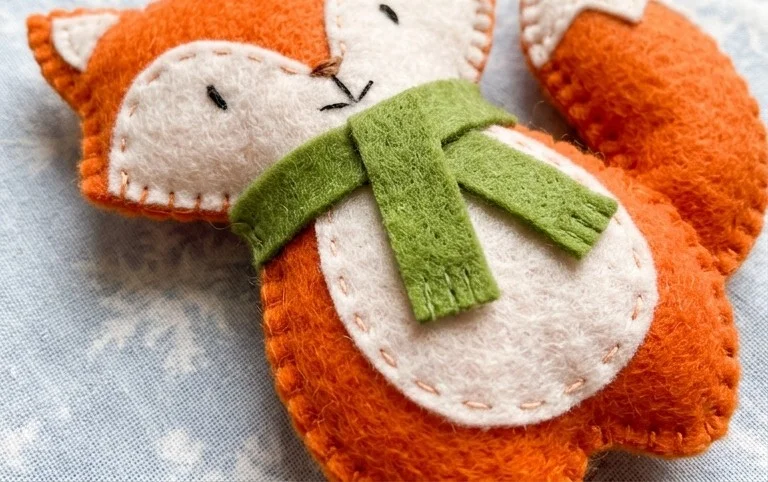
Your fox ornament is ready to bring a little handmade warmth to a tree branch, gift, or winter display, and its compact size makes it a satisfying project to finish. For a simple variation, use cream yarn in place of rust for a pale woodland fox while keeping the same felt details. If you make one, share a photo on Pinterest or your favorite social media platform; seeing different color choices is part of the fun. You can also browse the blog for more free crochet patterns, including small projects that use leftover yarn and make thoughtful handmade gifts. Keep your finished ornament in a dry place between seasons so the yarn and felt accents stay in good shape.